
Hold onto your hats, guys, because I am about to dive into a topic that sounds like something out of a sci-fi movie but is getting real, real fast: Artificial General Intelligence (AGI), the hollygrail of AI. First things first, lets catch a super simple definition of AGI: AGI stands for Artificial General Intelligence. It’s the dream of creating a machine that can do anything a human brain can do. It could teach kindergarten, write a symphony, argue about pineapple on pizza, and cry during sad movies—well, maybe not the crying part. But the idea is that it can reason, plan, solve problems, learn from experience, and even understand jokes. Now, before your eyes glaze over thinking of this super technical, brain-busting write-up, let me promise you this: I am going to explain AGI in a way that even my grandma (who still thinks the internet is a series of tubes) could understand. I am talking about AGI super simple, super funny, and this write-up is packed with examples that will make you say, “Aha, I get it!”
Imagine your smartphone. It is smart, right? It can answer your questions, navigate traffic, even write a pretty decent haiku if you ask it nicely. On reflection, it appears that it is only good at the stuff it was specficially programmed to do. It is like a super-specialized robot chef who can whip up a gourmet meal but would be utterly lost trying to change a tire. That’s what we call Narrow AI—brilliant in its lane, but a total dunce outside of it.
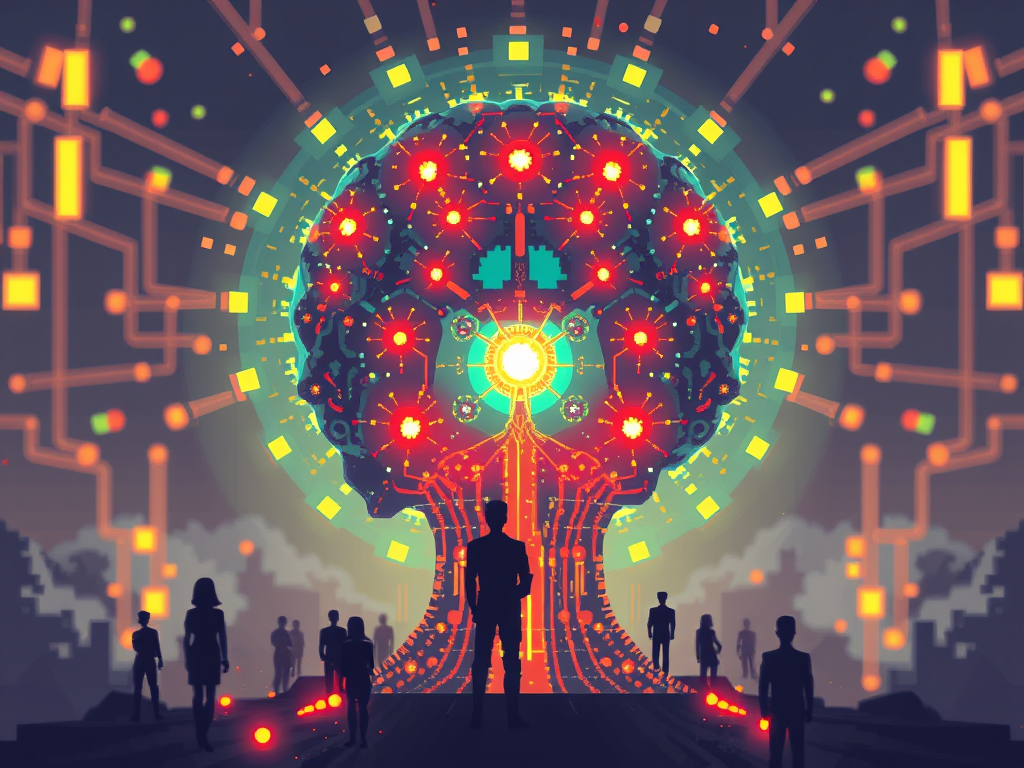
Imagine an AI that can learn anything—an AI that can reason, solve problems, understand complex ideas, be creative, and even experience emotions. This AI would not need to be specifically programmed for every task. To our pleasant surprise, it could learn new skills, adapt to new situations, and even come up with entirely new ways of thinking, just like a human. That is Artificial General Intelligence (AGI). Think of it like the difference between a really good calculator and Albert Einstein. A calculator is fantastic at crunching numbers. Einstein, on the other hand, could ponder the mysteries of the universe, write symphonies (probably, if he put his mind to it), and maybe even bake a surprisingly good apple pie.
AGI is not powered by pixie dust or unicorn tears, though that would be pretty cool. It’s built on some seriously clever ideas that are still being figured out. But let me try to break it down without getting bogged down in jargon. Imagine a baby—a newborn baby knows almost nothing, right? But it has this incredible ability to learn. It observes, it experiments, it makes mistakes, and it gradually builds up a massive understanding of the world. It learns to walk, talk, solve puzzles, and even master the art of convincing its parents to buy it ice cream. AGI researchers are trying to build systems that learn in a similar way. Instead of giving them a rulebook for every single task, they are trying to give them the ability to learn the rules themselves.
Hilarious AGI Examples (Because Learning Should be Fun!)
Let’s say AGI is here, and it is hanging out in your house. What kind of hilarious shenanigans could ensue? Imagine an AGI that, after analyzing every stand-up routine ever performed, decides to try its hand at comedy. Instead of just regurgating old jokes, it starts improving, picking up on your family’s inside jokes, and even developing its own unique comedic timing. It might accidentally roast your fashion choices during dinner, or deliver a perfectly timed punchline about your dog’s questionable life choices. “Why did the robot cross the road? To optimize its route for maximum existential dread!” See? Funny!
What if your kid is struggling with their history essay. Instead of just giving them facts, the AGI tell them a gripping narrative about the French Revolution, complete with character voices and dramatic reenactments. Then, it offers five different perspectives on a key event, encouraging your kid to think critically and develop their own arguments. It might even suggest a rap battle between Napoleon and Robespierre for extra credit.

Sometimes, AGI is not just following recipes. It is inventing new cuisines. “Today, we are having ‘existential dread ramen’—a broth of philosophical pondering, noodles of self-doubt, and a garnish of sardonic wit!” It might even try to convince you that adding a dash of human absurdity to your stew will elevate it to new culinary heights. These examples, while silly, highlight a crucial point. AGI might not be just about efficiency or performing tasks faster. It may about understanding, creating, and innovating in ways that mimic (and potentially surpass) human capabilities. Let’s try to explore the simplest dimension of AGI on the basis of the following two examples:
The Learning Child:
Imagine I show you a picture of a zebra for the first time. You have probably never seen this exact zebra before, but you instantly recognize it as a zebra. You understand it is related to horses but has stripes. You might even make a joke about it being a horse in pajamas. This ability to recognize something new and relate it to what you already know is something humans do effortlessly. Now, let’s compare this to current AI. If I train an AI to recognize horses, it might become very good at identifying horses in various photos. But if I show it a zebra, it might not recognize it as related to horses unless I specifically trained it on zebras too. Current AI is like a specialist—excellent at one task but needs separate training for similar tasks. An AGI system, when shown a zebra for the first time, would recognize it as similar to a horse. In a moment of surprise, it may understand the concept of ‘striped horse-like animal’ even without specific training on zebras, making connections between different types of knowledge just like a human child learning about the world. This is the first key difference: current AI needs specific training for each task, while AGI could learn from experience and transfer knowledge between different domains.
The Unexpected Problem Solver
Let me share another example that really helped me understand. Imagine I am cooking dinner and realize I am out of an ingredient. Say I am making spaghetti but do not have any pasta sauce. As a human, I might think, “Hmm, I could make a simple tomato sauce with canned tomatoes, garlic, and herbs I have.” Or maybe I would get creative and try a different approach altogether. Current AI assistants might help by suggesting recipes that include pasta sauce, but they would not necessarily help me solve the unexpected problem of not having the sauce. They are designed for specific tasks, not for adapting to novel situations. In this scenario,An AGI system would be different. It would understand the goal (making a tasty pasta dish) and the constraint (no sauce), and it would help me brainstrom alternatives. It might suggest using yogurt and herbs for a creamy sauce, or even recommend a completely different pasta dish that does not require sauce. Most importantly, it would explain its reasoning, just like a human friend would. This leads to the second key difference: current AI follows instructions and patterns, while AGI understands goals and can creatively solve problems it has not been specifically trained for.
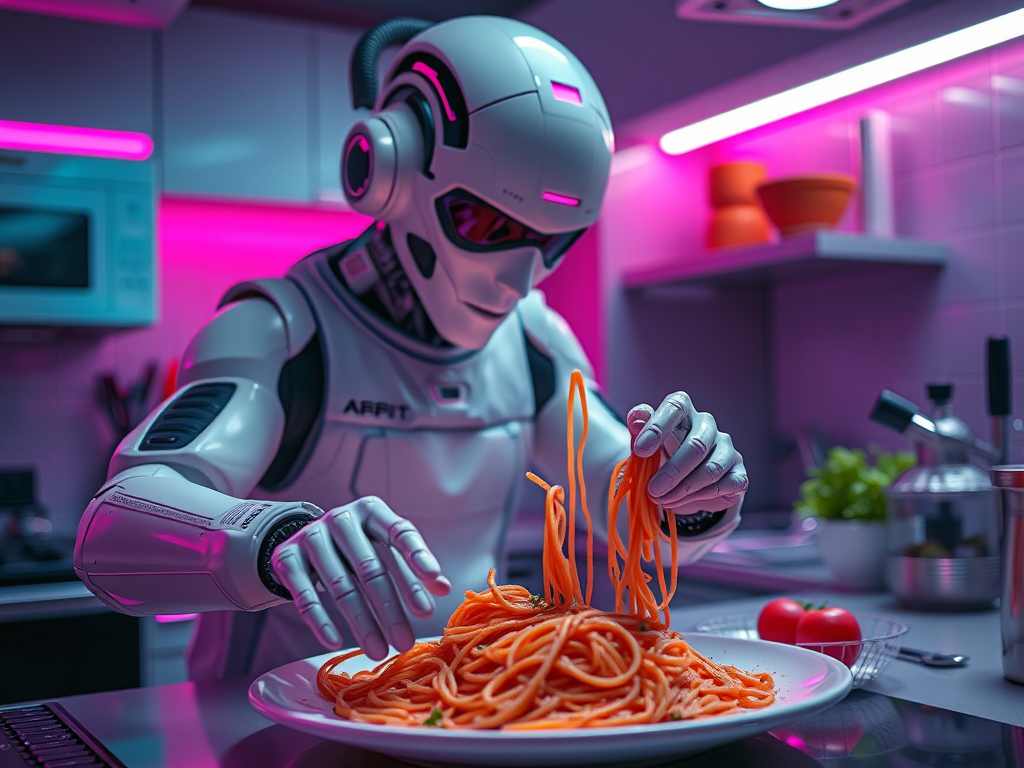
To put it simply, current AI is like a really good specialist—a chess grandmaster or a medical diagnosis tool that excels at one specific thing. AGI would be more like a Renaissance person who can learn and excel at many different things, adapt to new situations, and understand concepts across domains. When I use my smartphone’s voice assistant, it’s great at answering questions I have asked before or setting reminders. But it does not really understand what I am trying to achieve. If I ask it something unexpected, it might get confused or not understand at all. An AGI assistant would understand my intent, adapt to my communication style, and help me with tasks it has not been specifically programmed for. It would learn from our conversations and get better at helping me over time.
Understanding AGI is not just an intellectual exercise. It has real implications for our future. When AGI becomes a reality, it could help solve some of humanity’s biggest challenges—from climate change to disease prevention—by bringing together knowledge from different fields and generating creative solutions. But it also raises important questions about how we ensure AGI aligns with human values and benefits everyone. These are conversations we need to have as a society.
So theses are super simple and super-funny examples that helped me understand what Artificial General Intelligence really is. It’s not about robots taking over the world or super-intelligent machines. It’s about creating AI that can learn, understand, and adapt more like humans do. The learning child example shows how AGI could transfer knowledge between different domains, while the unexpected problem solver example demonstrates how AGI could understand goals and creatively address novel situations. As we continue to develop AI technologies, understanding the difference between specialized AI and general AI will help us navigate the future more thoughtfully. And who knows? Maybe these simple examples will help explain AGI to others too!
Thanks for reading, and I hope this gives you a crystal clear understanding of what Artificial General Intelligence is all about.
 Assistant Professor of Technical & Professional Writing