
Abstract
Generative AI has intensified the emotional labor of writing center work, and consultants now manage student anxiety about AI detection, defend human expertise against algorithmic authority, and absorb fears linked to immigration, disability, and academic integrity. This post examines AI-amplified burnout in writing centers and proposes administrative strategies to support consultants: reflective processing spaces, boundary training, shared policy language, and institutional recognition. Sustaining writing centers requires acknowledging the hidden emotional costs of AI integration.
Fundamentally, writing center work has always been relational. In practice, we sit beside writers—physically or virtually—at moments of vulnerability: confusion, frustration, fear, aspiration. In essence, we listen; we affirm; we gently challenge. What is less obvious is that we co-construct confidence. At a deeper level, this is emotional labor, and it has long been recognized as part of writing center pedagogy. But in the last two years, something has shifted. As far as my experience of working as a writing center consultant—right from the advent of ChatGPT to the seductive magic of Moltbook—is concerned, consultants are not just supporting writers; they are now mediating a new, ambient anxiety: artificial intelligence (AI).
AI tools ranging from ChatGPT, Claude, Gemini, Grok, Deepseek, and others promise to lighten educational labor, as reflected in their website’s mission statement: “AI exists to augment your creativity, not to supplant it.” Instead, the majority of writing center consultants, including me, increasingly report a quiet exhaustion that is difficult to name. Just as importantly, sessions that once focused on thesis clarity or citation practices now spiral into conversations about AI detection software, authorship accusations, or the legitimacy of human help itself. Consultants from several writing centers describe leaving appointments not intellectually tired, but emotionally drained. Seen this way, this is the invisible burnout of AI-era writing center work.
This blog from here explores how generative AI has intensified emotional labor in writing centers, creating triple labor: teaching writing, managing AI-related student stress, and continually justifying human value. Drawing on consultant reflections and administrative observations, including that of mine, I argue that institutions must recognize and address this emerging burden before writing centers lose their most compassionate practitioners.
The Emotional Core of Writing Center Work
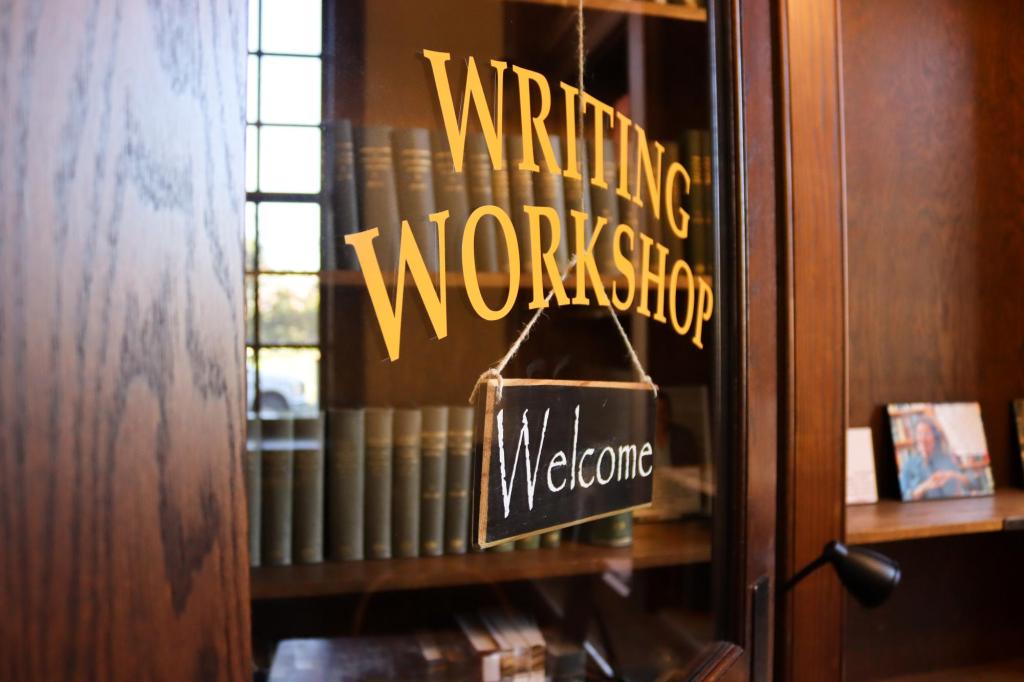
At its core, writing centers have always relied on affective expertise. Needless to say, consultants do more than explain grammar or organization; they cultivate safety. What is less obvious is that a student arrives anxious about a grade, ashamed of a linguistic difference, or overwhelmed by expectations. Seen this way, the consultant’s first task is often emotional calibration: normalizing struggle, restoring agency, reframing writing as process as process rather than a deficiency. In this light, this labor is subtle and rarely counted since it does not appear in appointment statistics or annual reports. Nonetheless, it sustains writing center pedagogy itself. As many scholars have noted, tutoring is relational work: trust-building, identity-affirming. In everyday practice, what AI has changed is not the existence of emotional labor—but its intensity, frequency, and scope, including the uncanny valley effect. For the sake of greater clarity, let’s have a look at the following image:
When AI Enters the Session
Let’s get real and consider a now-common opening moment in a consultation:
“I am scared my professor will think I used AI.”
Or:
“ChatGPT said my thesis is weak. “Do you agree?”
Or, more painfully:
“My friend said writing centers are not needed anymore.”
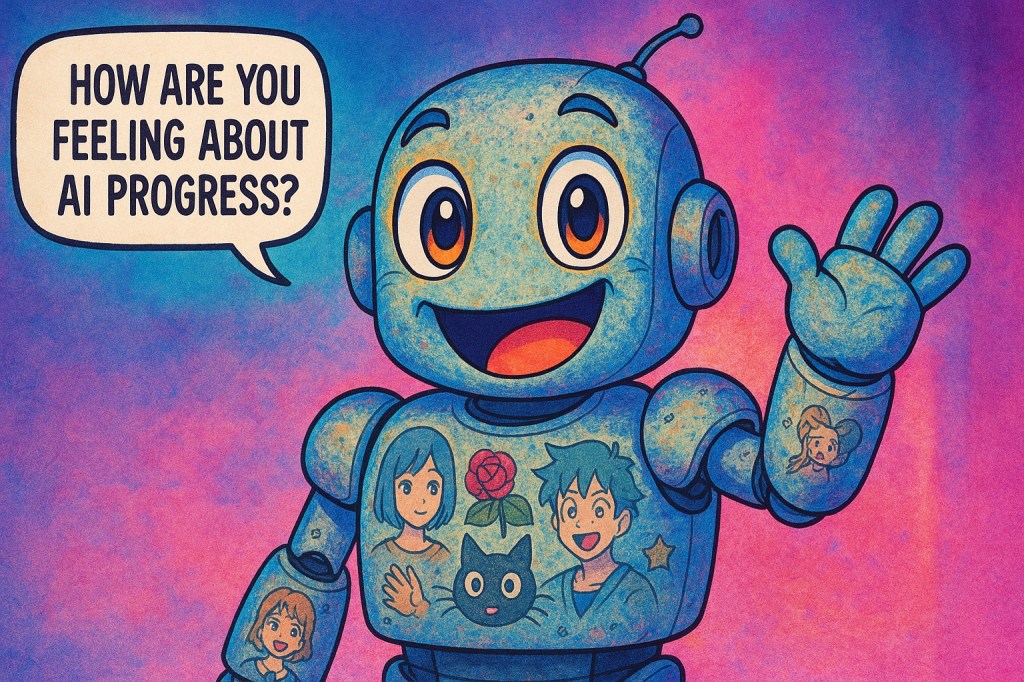
The following visual aid paints the picture with a broad brush:

(Fig: II. A Visual Entity Engineered by Gemini’s Nano Banana)
For many of the writing center consultants, in these moments—one of such moments happened to me while I was part of a session— the session shifts, and the consultant would no longer simply be a writing coach. Beyond this, they become a mediator between human learning and algorithmic authority. At heart, the student’s anxiety is not about writing alone—it is about surveillance, authenticity, and legitimacy. In such a scenario, consultants report that these conversations often consume the emotional bandwidth of the session. Before discussing structure or evidence, they must reassure students that seeking help is not misconduct, that AI detectors are unreliable, that human revision is not cheating, and that learning still matters. In my real encounter with such concerns of a college writer in the writing center of the University of Memphis, this is exactly how I tried to allay their anxieties. Even more strikingly, the consultant absorbs fear generated by institutional AI policies over which they have no control.
Triple Labor in the AI Writing Center
What is more, AI has layered new emotional demands onto existing pedagogical ones. Exhaustively, consultants now perform three overlapping forms of labor in each session: teaching writing, managing AI anxiety, and justifying human value. The following flow chart makes a case for how consultants enact these forms of labor:
Writing Center Futures
When AI Enters the
Writing Center
Three cascading effects—and why human tutors matter more than ever
STARTING POINT
A student arrives with AI-generated text
THE TUTOR MUST NOW NAVIGATE THREE SIMULTANEOUS PRESSURES
Effect One
Teaching Writing Itself
AI output becomes a specimen. The tutor shifts from correcting to diagnosing — asking: what does this text do, and what has it bypassed?
Effect Two
Managing AI Anxiety
Students fear being wrong about AI. Tutors fear becoming obsolete. The writing center becomes a pressure chamber — or a place of release.
Effect Three
Justifying Human Value
The tutor’s irreducibility — their embodied knowledge, care, and judgment — becomes both the argument and the evidence for human-centered pedagogy.
The Tutor Asks →
What choices did the AI make? What would youhave written instead? What’s missing from this that only you can provide?
The Insight →
AI text reveals the architecture of writing — structure, voice, argument — by making it visible and separable from the student’s thought.
The Tutor Addresses →
“I do not know if I am allowed to use it.” “Does using it mean I cannot write?” Shame, confusion, and institutional ambiguity collide here.
The Reframe →
Anxiety is information. It signals that students still believe writing has something irreplaceable to offer — and that matters enormously.
The Tutor Demonstrates →
Context-reading, emotional attunement, disciplinary conversation, relational trust — things no model replicates in the moment of need.
The Argument →
Human tutoring is not just support — it is a stance. Being present, accountable, and genuinely invested is itself a pedagogical act.
“AI makes the invisible visible — and the tutor makes the invisible meaningful.”
“Anxiety about AI is not a crisis of confidence. It’s a crisis of values — and values are exactly what tutors teach.”
“The writing center doesn’t compete with AI. It offers what AI structurally cannot: genuine presence.”
(Fig III: The above flowchart is a template-driven chart produced in collaboration with a software package)
Teaching Writing remains the visible core: explaining rhetorical concepts, analyzing drafts, and guiding revision strategies. While managing AI Anxiety, students arrive with fears about detection tools, accusations, or policy ambiguity. In this light, consultants must interpret policies, reassure students, and de-escalate panic. In the process of justifying human value, consultants increasingly encounter comparisons with AI: “ChatGPT explained this faster,” “Why should I not just use AI?, “Isn’t this what AI does?” These comments are rarely malicious since they reflect broader discourse about automation. Regardless, for consultants—often undergraduate or graduate tutors whose expertise is still developing—they land as micro-invalidations. From this perspective, the consultant must respond professionally and defend human learning without appearing defensive. Quite tangibly, this is emotional labor layered onto epistemic labor.
The Gendered and Invisible Dimensions
Emotional labor, looked at another way, is historically feminized and undervalued. All things considered, writing center work—like teaching and caregiving—has long been framed as ‘helping’ rather than expertise. Underneath this, AI comparisons intensify this dynamic. When students position AI as efficient and consultants as optional, they reproduce a hierarchy that privileges technological authority over relational knowledge. As a consequence, consultants—especially women and multilingual tutors—report heightened pressure to prove competence. A case in point, they must demonstrate that their feedback is distinct from AI output while maintaining warmth and patience. The emotional regulation required is substantial: they must not show hurt, frustration, or fatigue. Does not the following visual speak volumes about progress via AI and AI-triggered precarity:
(Fig IV taken from AI & You: AI pressure making it difficult to map progress in consultation)
Because writing centers rarely quantify emotional labor, this added burden remains institutionally invisible. That said, appointment counts appear stable. Demand remains high. Disappointingly, consultant wellbeing quietly erodes. The case in point is how I, in the capacity of a consultant, fell prey to such insidious and invidious erosion.
International Students and AI Fear
When it comes to international students seeking to tap into affordances in AI, AI anxiety carries higher stakes. A more granular analysis reveals that many worry that accusations of AI misuse could jeopardize visas or academic standing. In some sessions I held with some international college writers at the writing center of the University of Memphis, they asked: “If my professor thinks this is AI, will I get deported?” The fear may be exaggerated, but it is real to the students. At the nexus of these debates, I think that consultants must navigate immigration anxiety, institutional ambiguity, and linguistic insecurity simultaneously. Writing center tutors and consultants often become the only human space where students from the Global South can express these fears safely. Scaling up to consider, this emotional containment work is profound—and unsupported.
Neurodivergence, Accommodation, and Stigma
AI tools also intersect with disability because some neurodivergent students use AI for idea generation, language scaffolding, or executive-function support. Despite using affordances in AI to their best advantage, they worry that reliance on AI will be judged as cheating rather than accommodation. In dealing with students with disabilities during many consultations, I frequently had to mediate this tension: “I use AI because of my ADHD. Is that wrong?” To quench their curiosity inflected with anguish, I tend to balance validation of disability needs with institutional policy boundaries, thereby requiring emotional sensitivity, ethical nuance, and pedagogical clarity—again, without formal training or recognition.
Consultant Reflections: “I Leave Sessions Drained”
Based on my analysis of some secondary sources and my authentic experience of having multiple rounds of consultations, it would not be unreasonable to postulate that across centers, consultants describe similar experiences:
“Students cry about AI accusations.”
“I spend half the session reassuring them.”
“I feel like I’m defending my job.”
“I am more tired now than before AI.” The image below encapsulates how drained consultants are likely to feel, beset with AI-related angst, anguish, and agony:
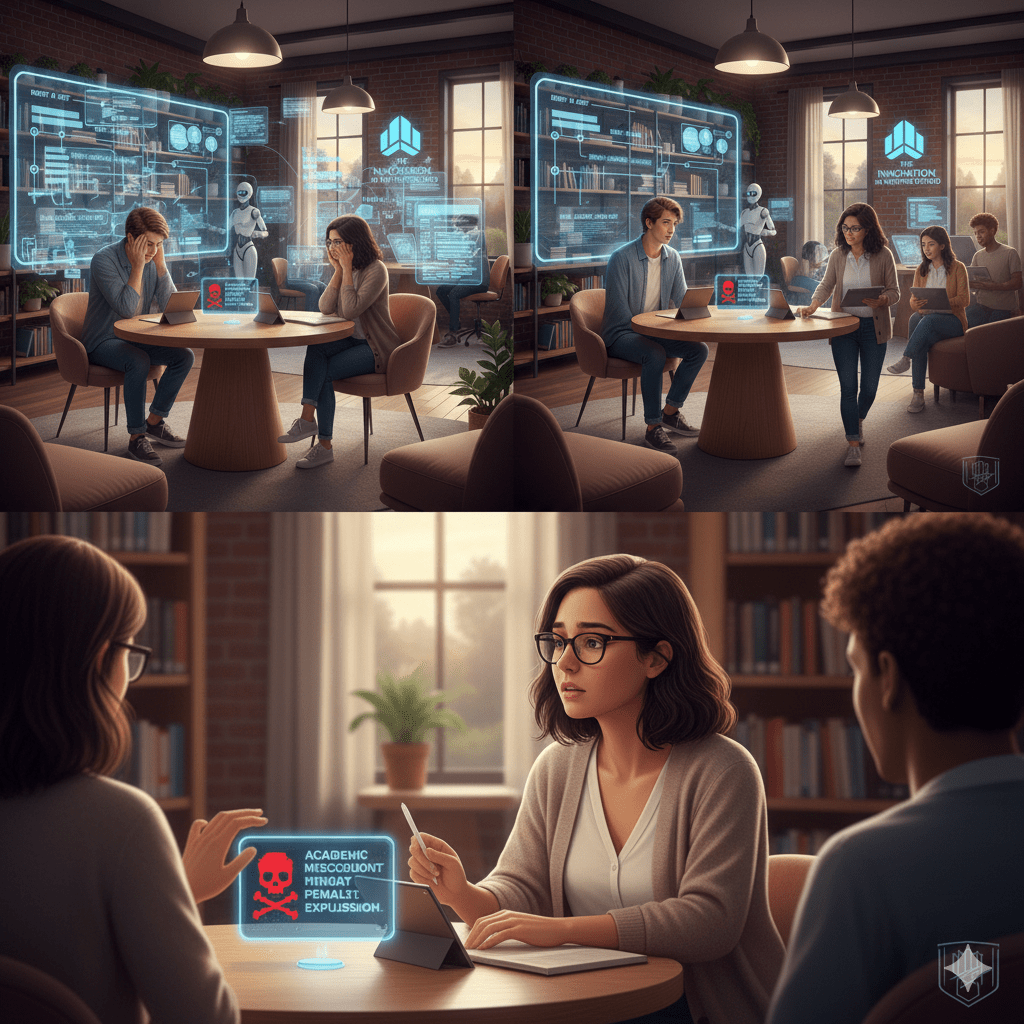
(Fig V: A nano banana engineered image suggestive of how tutors feel drained)
In a manner most uncanny, the exhaustion is emotional rather than cognitive. Suffice it to say, consultants can explain writing concepts efficiently, and, shocking enough, what drains them is absorbing institutional fear and technological displacement anxiety simultaneously. At the end of the day, this turns out to be classic burnout territory, one involving high relational demand with low institutional acknowledgement.
Institutional Silence and the Cost of Compassion
Despite widespread AI discussion in higher education, writing center emotional labor remains largely absent from policy conversations. The writing centers of many universities debate detection tools, authorship definitions, and academic integrity frameworks—but rarely consider who absorbs student anxiety about these issues. Writing centers become the frontline emotional interface for AI policy consequences. However, consultant training hours, pay structures, and professional recognition have not expanded accordingly. The upshot is unsustainable compassion labor: a consultant caring for AI-related distress without structural support. Weaving together these threads, naming matters; when labor is unnamed, it cannot be addressed. Crucially, writing centers must explicitly recognize AI-amplified emotional labor as part of consultant work, without pathologizing AI or resisting cutting-edge technology. What is so imperative is acknowledging the human cost. Even so, invisible burnout emerges when emotional demands increase, recognition remains static, support structures lag, and AI has created precisely this. mismatch.
Strategies for Writing Center Administrators
Addressing AI-era burnout requires an intentional institutional response. Below are practical strategies centers can implement.
1. Create Reflective Processing Spaces
Consultants need structured opportunities to discuss AI-related emotional experiences. Staff meetings can include short reflective segments:
- “What AI concerns came up this week?”
- “What felt emotionally difficult?”
- “What responses felt effective?”
These conversations normalize experiences and reduce isolation.
2. Integrate Emotional Boundary Training
Tutor education often focuses on pedagogy, but not on emotional boundary-setting. AI sessions now require consultants to manage distress while maintaining limits. Training can include:
- Responding to AI accusations compassionately but briefly
- Redirecting from policy panic to writing focus
- Recognizing emotional overload signals
These measures support sustainability, unleashing consultants from the grip of percarity stemming from college writers’ entanglement with affordances in AI.
3. Provide Institutional Talking Points
Going still further, consultants should not bear policy interpretation alone. To this end, writing centers can develop shared language aiming at:
- Clarifying that seeking human feedback is permitted
- Explaining uncertainty around detectors
- Affirming learning over surveillance
Put most pithily, consistency reduces emotional strain and works to our advantage.
4. Advocate for Recognition of Emotional Labor
Administrators can document AI-related session themes and share them with academic leadership. Framing writing centers as emotional infrastructures fosters institutional understanding, to be honest. On top of that, recognition may include expanded training hours, professional development credit, and compensation adjustments.
5. Reframe Human Value Publicly
Writing centers, writing studios, and makerspaces can proactively articulate what human consultation offers beyond AI. Human consultation appears to ensure dialogic feedback, contextual understanding, identity-sensitive support, and ethical mentorship. In fact, public messaging reduces consultant defensiveness.
Why This Matters Now
It goes without saying that writing centers are sustained by people who choose relational work. If asked, why do consultants choose tutoring? The answer is clear—they often enter tutoring because they value connection and care. When that care becomes extractive, writing centers risk losing precisely those practitioners who make them humane spaces. In more than one sense, AI discourse often frames automation versus human labor. In writing centers, the tension is subtler: AI does not replace consultants; it reconfigures their emotional environment. In a micro sense, the cost appears not in staffing numbers but in fatigue, discouragement, and quiet attrition. To take this claim further, if institutions ignore this shift, burnout will accumulate invisibly until experienced consultants withdraw from tutoring or leadership pathways.
Toward Sustainable AI Writing Center
In the uncharted territory of the ongoing AI revolution, AI is likely to remain part of writing ecologies. Thus, the goal is not—and should not be—resistance but sustainability, meaning writing centers can model humane AI integration by acknowledging emotional realities alongside pedagogical change. Equally telling, sustainable writing centers will recognize emotional labor explicitly, train consultants for AI conversations, advocate institutionally, and value relational expertise. Taken together, these steps honor both technological change and human care.
Conclusion: Protecting the Compassionate Core
What follows from this is that writing centers have always been places where writers are treated as people, not outputs. Its disruptive footprint and a specter of obsolescence emblematized by the ongoing massive layoff aside, AI has not altered that mission—but it has intensified the emotional conditions under which it is practiced. At the turn of this reasoning, consultants now carry anxieties about surveillance, legitimacy, disability, immigration, and automation in addition to writing concerns. This is invisible burnout: the quiet exhaustion of absorbing AI-era fear without institutional acknowledgment. If writing centers wish to remain humane learning spaces, they must protect the well-being of those who enact that humanity daily. Toward this end, naming AI-amplified emotional labor is the first step. Supporting it structurally is the next step. The future of writing centers will not be decided by AI capabilities alone. It will be shaped by whether institutions recognize and sustain the human relational work that no algorithm can replace.
 Assistant Professor of Technical & Professional Writing